Middle East Crisis: How It's Affecting Your Business in the Philippines
Oil price shocks, inflation pressure, and what HVAC contractors need to do to protect their business margins and customer relationships.
5.2% → 4.5%
Downward Adjustment
+8-12%
Electricity Cost Increase
3.2-3.5%
Expected Range
🌍 What's Happening in the Middle East?
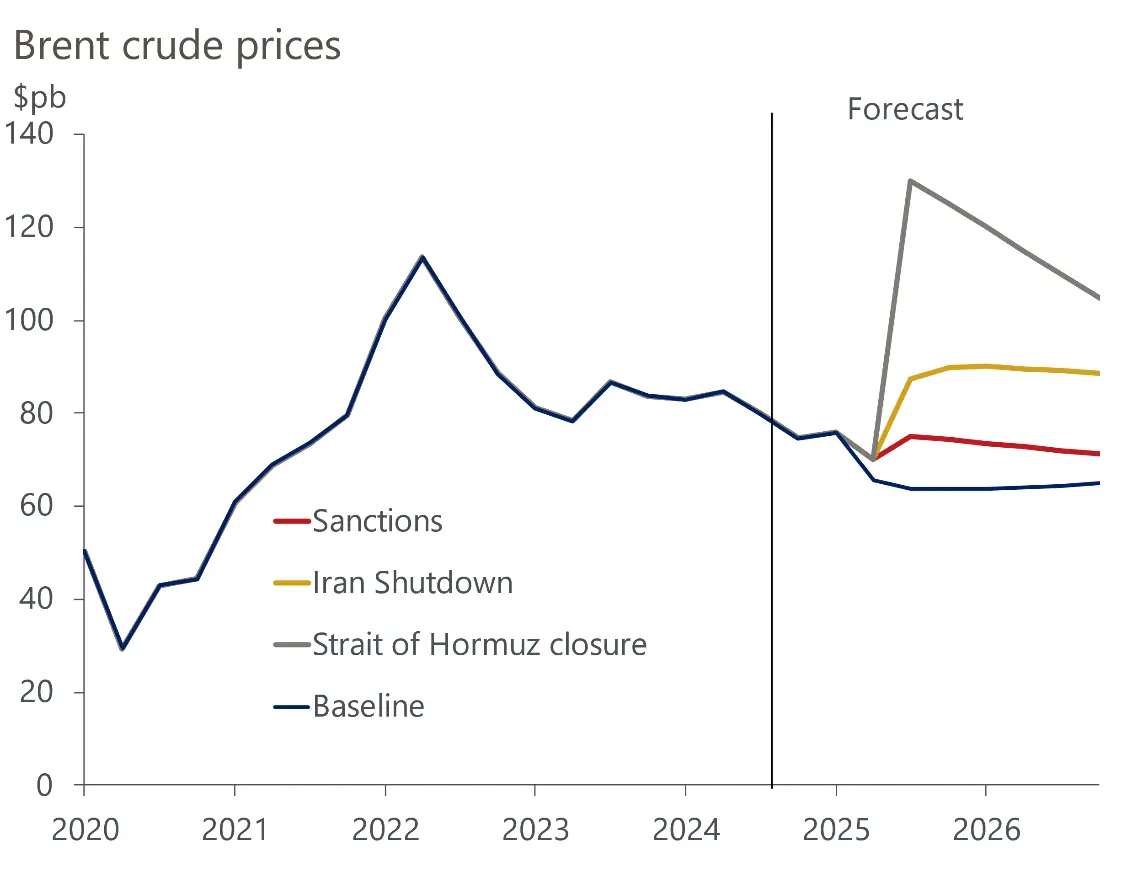
Ongoing tensions in the Middle East have caused oil prices to spike. When global oil prices go up, everything gets more expensive—especially energy and transportation. The Philippines, which imports most of its oil, is feeling the impact directly.
The Result: Higher electricity bills, increased transportation costs, and more inflation across the economy. This affects both your business costs and your customers' ability to pay.
💰 Direct Impact on Your HVAC Business
1. Higher Operating Costs
Electricity for your workshop/office is up 8-12%. Fuel for service vehicles costs more. Refrigerants and spare parts may increase in price due to import costs.
2. Price-Sensitive Customers
Customers are cutting budgets. They'll delay non-urgent repairs and maintenance. Commercial clients may postpone new installations. Expect more price negotiations.
3. Margin Pressure
Your costs are going up, but customers resist price increases. This squeezes your profit margins if you don't adjust pricing strategically.
4. Demand for Energy Efficiency
Silver Lining: Customers are desperate to reduce electricity bills. They're now interested in energy-efficient systems, VRF technology, and maintenance to optimize performance.
📊 Economic Impact Summary
GDP Growth Downgrade
Originally forecast: 5.2% → Revised: 4.5%
What it means: Slower economic growth = less business investment, cautious consumer spending, tighter budgets across all sectors.
Inflation Pressure
Expected inflation: 3.2-3.5% (up from 2.8%)
What it means: Prices for materials, labor, and services will increase. Your costs go up, but you can't always pass this to customers.
Electricity Cost Shock
Expected increase: 8-12% due to higher oil prices
What it means: Your customers' electricity bills are skyrocketing. They'll want to know how to reduce consumption. This is your opportunity.
🎯 What You Should Do Now
- Review Your Pricing: Calculate your actual costs (labor, materials, fuel, electricity). Adjust quotes to reflect current expenses. Be transparent with customers about cost increases.
- Promote Energy Efficiency: Position modern, efficient systems as cost-saving investments. Show customers their ROI through lower electricity bills.
- Offer Maintenance Plans: Fixed-price maintenance contracts help customers budget and give you predictable revenue. Emphasize how maintenance reduces breakdowns and saves money.
- Focus on Commercial Clients: They have budgets and will invest in efficiency. Target hotels, offices, hospitals, and government buildings.
- Optimize Your Operations: Reduce your own electricity costs. Plan efficient service routes to save on fuel. Negotiate better supplier rates.
- Build Customer Loyalty: In tough times, customers stick with contractors they trust. Deliver excellent service and transparent pricing.
💡 The Opportunity
While the geopolitical crisis creates challenges, it also creates opportunities for smart contractors:
- ✓ Energy Efficiency Demand: Customers desperately want to reduce electricity bills. You can help them save 20-30% with modern systems.
- ✓ Maintenance Contracts: Customers will prioritize keeping existing systems running efficiently. Recurring revenue is more stable than one-time installations.
- ✓ Premium Positioning: Contractors who can demonstrate ROI and energy savings will command better prices and attract quality clients.
- ✓ Market Consolidation: Smaller competitors may struggle. You can gain market share by being reliable and transparent.
Protect Your Margins. Help Your Customers Save.
Polar Wind helps contractors navigate economic challenges with energy-efficient solutions and maintenance strategies that keep customers happy and profitable.
Sources: ING Economics: "Oil price shock raises inflation and policy risks in Philippines" (March 27, 2026); BMI Research: "Philippines GDP Forecast Revision" (April 2026); Philippine Statistics Authority; Department of Energy